Knowledge Forum
Hazardous vs non-hazardous waste: how to segregate and manage
Common factory waste types and management approaches that increase recovery.
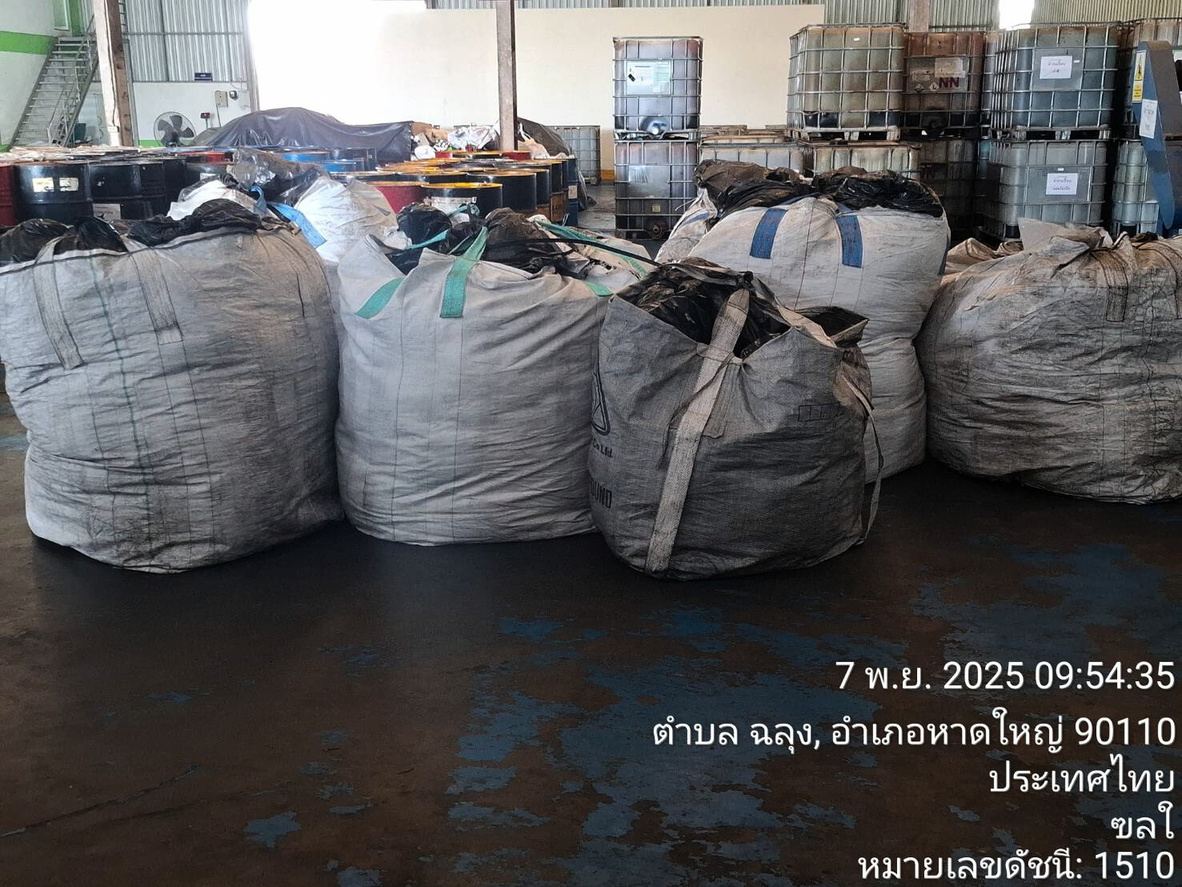
Segregating waste at source significantly reduces cost and risk.
Examples of hazardous waste
- Lamps, batteries, e-waste
- Chemical-contaminated containers and materials
- Aerosol cans, paint sludge and contaminated rags
Hazardous waste is segregated, transformed and treated to reduce its hazard before final disposal by licensed incineration or secure landfill.
Examples of non-hazardous waste
- Paper, plastics, rubber, glass fragments
- Filter bags, conveyor belts
Non-hazardous waste is segregated and recycled as much as possible; the remainder can become SRF / RDF fuel instead of going to landfill.